As shoppers navigate the aisles of their favorite grocery stores, the question on everyone’s mind is whether food prices will finally take a breather in 2025. With inflation making wallets feel lighter than a feather, it’s hard not to wonder if that elusive day of affordable avocados is just around the corner.
Current Trends in Food Prices
Concerns about food prices remain high among shoppers, particularly due to inflation pressures. Many are watching for potential changes in 2025 that may impact availability and cost.
Historical Price Fluctuations
Food prices historically exhibit significant variability, driven by numerous factors. Lines on price charts indicate periods of sharp increases alongside declines. For instance, in 2020, prices surged due to pandemic-related supply chain disruptions. Comparatively, price drops in 2015 reflected improved yields in key crops. Recognizing these patterns assists consumers in anticipating future price shifts.
Factors Influencing Price Changes
Multiple factors influence food prices, including weather events, supply chain dynamics, and global economic conditions. Weather-related disruptions can lead to crop shortages, thus increasing prices. Supply chain delays contribute further to these fluctuations, affecting supermarkets directly. Moreover, global trade policies and tariffs play a crucial role in determining costs. Recent trends show that energy prices also impact transportation costs, which subsequently influence food pricing. Understanding these variables provides insights into potential future pricing trends.
Economic Projections for 2025
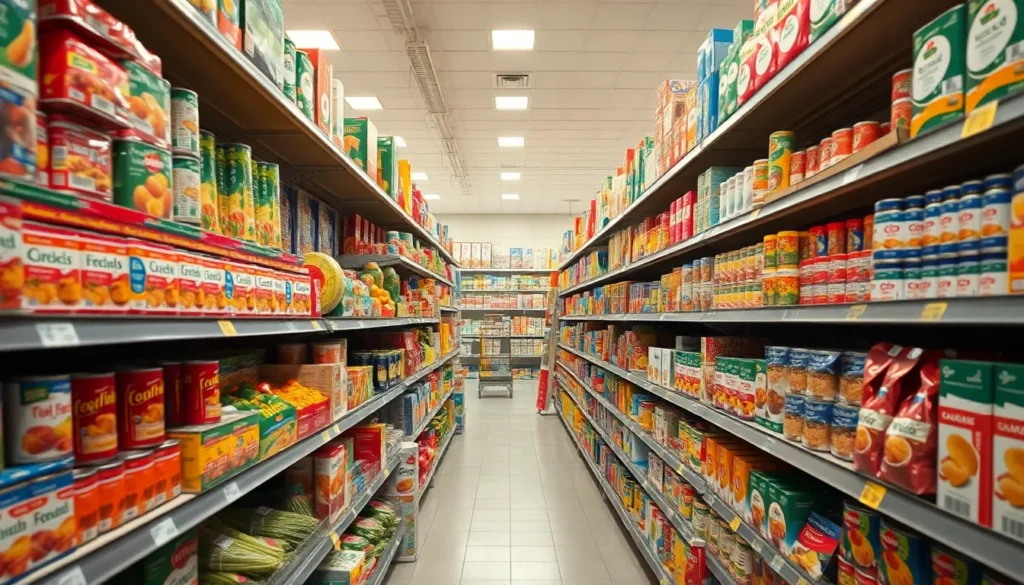
Economic forecasts indicate that food prices might experience stabilization in 2025. Inflation continues to play a significant role in shaping consumer expectations and market dynamics.
Inflation and Its Impact
Inflation rates directly affect food prices, with higher rates leading to increased costs for consumers. Projections show that inflation could moderate, potentially offering relief at grocery stores. Historical data highlights that inflation peaked in recent years due to factors like the pandemic and global supply challenges. Improved economic conditions may lead to a decrease in inflation rates, stabilizing food prices by 2025. Expectations suggest consumers could see more affordable grocery bills if these trends continue.
Supply Chain Resilience
Supply chain resilience has strengthened since the pandemic and could influence food pricing positively. Disruptions in 2020 underscored vulnerabilities, prompting changes in logistics and production practices. Many industries have adopted technology and diversified suppliers, enhancing overall stability. Improved efficiency in the supply chain can lower costs, which may translate to lower food prices. Projections for 2025 indicate that ongoing investments in supply chain infrastructure can further stabilize food availability and pricing.
Agricultural Insights
Agricultural trends significantly influence food pricing. Crop yields and production levels play a critical role in determining costs.
Crop Yields and Production
Higher crop yields typically lead to lower food prices. For instance, advancements in agricultural technology and practices have boosted production rates. In recent years, U.S. farmers reported a corn yield increase of approximately 8% from 2021 to 2022. Enhanced irrigation systems and genetically modified crops help ensure consistent supply. These innovations directly impact overall food availability. If production continues to improve, consumers may see more stable prices. The Food and Agriculture Organization projects modest growth in crop outputs through 2025, contributing to potential price stabilization.
Weather Patterns and Climate Change
Weather patterns profoundly impact agricultural outputs. Extreme weather events, such as droughts and floods, can adversely affect food supply and prices. Notably, the USDA reported that drought conditions in 2022 reduced wheat yields by roughly 21%. Climate change introduces more unpredictability, making it essential for farmers to adapt. Strategies such as diversified cropping and soil health management can mitigate risks associated with erratic weather. If farmers respond effectively to these challenges, price fluctuations might decrease, benefiting consumers. Monitoring long-term climate trends remains crucial for anticipating future agricultural conditions.
Consumer Behavior
Consumer behavior significantly influences food pricing trends. Understanding shifts in preferences and economic factors helps predict future costs.
Changing Dietary Preferences
Shoppers increasingly favor plant-based options, prompting a shift in demand. Brands respond by expanding their offerings, which can help stabilize prices. A focus on healthy eating drives competition among producers, ultimately benefiting consumers with varied price points. Trends show rising interest in local and organic foods, which impacts supply chains. When consumers prioritize sustainability, suppliers adapt, affecting overall market dynamics. For example, the rise in demand for avocados has led to changes in availability and pricing strategies. As these dietary shifts continue, they influence future food price stability.
Impact of Inflation on Purchasing Power
Inflation directly impacts how much consumers spend on groceries. As prices rise, purchasing power diminishes, forcing buyers to reconsider their choices. A recent report indicated a 5% increase in grocery bills compared to last year, significantly affecting household budgets. While consumers may seek out cheaper alternatives, brand loyalty often plays a role in purchasing decisions. Many shoppers adapt their shopping strategies, such as buying in bulk or choosing discount stores. Consumer confidence in the economy can also shape spending habits, as uncertainty decreases willingness to pay premium prices. Understanding these dynamics will aid in anticipating future price movements in the grocery sector.
Expert Opinions
Economists provide varying predictions for food prices in 2025, reflecting ongoing volatility in the market. According to recent analyses, a stabilization in inflation rates could lead to lower food costs, especially if current trends persist. Historical patterns indicate that food prices often decrease following periods of high inflation, suggesting the possibility of relief for consumers. Additionally, experts point out that improved supply chain efficiency is crucial for mitigating price increases. These factors combined create a sense of cautious optimism about food affordability in the coming years.
Economists’ Predictions
Economists predict that food prices could decrease by up to 3% by 2025, assuming inflation stabilizes. Some experts emphasize the importance of global economic recovery in influencing these trends. Improvement in supply chains and logistics performance may significantly support this positive outlook. Expectations also hinge on growing agricultural production, especially in staple crops like corn and wheat. A recent USDA report hints that increased crop yields might play a critical role in reducing prices. Fluctuations in energy costs, however, remain an essential variable that could counteract these predictions.
Industry Insights
Industry specialists observe a shift in consumer demand towards healthier food choices, impacting pricing structures. The rise in demand for organic products drives producers to adjust their offerings, potentially stabilizing prices across categories. Companies are investing more in sustainable practices, which may lead to additional efficiencies within the supply chain. Historically, innovations in farming technology have enhanced yields, contributing to lower food costs. For instance, reports have highlighted a 10% increase in overall agricultural production efficiency. Challenges like climate change and fluctuating weather patterns will still pose risks, influencing future manufacturing and distribution decisions.
The outlook for food prices in 2025 presents a mix of optimism and caution. As inflation shows signs of stabilization and supply chain efficiencies improve, consumers may see some relief at the grocery store. However challenges like climate change and unpredictable weather events could still impact agricultural yields and pricing structures.
Shifts in consumer preferences toward healthier and sustainable options may also play a role in shaping the market. By staying informed about these evolving dynamics, shoppers can better navigate the complexities of food pricing and make choices that align with both their budgets and values. The next few years will be crucial in determining whether food prices can indeed become more manageable for everyone.