Imagine walking into your home, and with just a simple voice command, the lights dim, the thermostat adjusts, and your favorite playlist starts playing. Sounds like a scene from a sci-fi movie, right? Welcome to the world of smart homes, where convenience meets cutting-edge technology. But before you dive headfirst into this futuristic lifestyle, there’s one crucial question to tackle: How much is this high-tech dream going to cost?
While the allure of a smart home can be irresistible, the price tag can often leave potential buyers scratching their heads. From smart speakers to automated security systems, the costs can add up faster than a cat video binge on YouTube. Understanding the smart home cost landscape is essential for making informed decisions. So let’s break it down and discover how to create a home that’s not just smart but also budget-friendly.
Overview of Smart Home Technology
Smart home technology integrates devices and systems to improve convenience, efficiency, and security in households. With this advanced technology, homeowners can control various systems remotely, enhancing their living experience. Devices like smart thermostats, security cameras, and smart outlets offer users flexibility and energy management.
Home automation entries span numerous categories, including lighting, climate, and security. Voice-activated technologies enable hassle-free control, while intelligent appliances streamline daily routines. Popular devices include the Amazon Echo and Google Nest, which serve as hubs for connecting multiple smart gadgets.
The demand for smart home devices has surged, with market revenue projected to exceed $135 billion by 2025. A comprehensive understanding of smart home technology helps individuals make better choices. Factors like brand, features, and installation impact overall costs.
Security remains a key driver for smart technology adoption, as homeowners seek enhanced safety solutions. Smart locks and cameras provide monitoring and notifications, allowing for immediate responses to potential threats. Energy efficiency plays a vital role too, as smart thermostats offer savings on heating and cooling expenses.
Connectivity options also matter, with Wi-Fi and Zigbee serving as primary standards for device communication. Integrating smart home devices requires robust network capabilities for seamless operations. More devices can complicate network management; however, prioritizing essential features enables effective smart home design.
Investing in a smart home equips users with convenient control, enhances safety, and promotes energy savings. Overall, understanding technology’s extensive capabilities and costs prepare homeowners for informed choices.
Factors Influencing Smart Home Cost
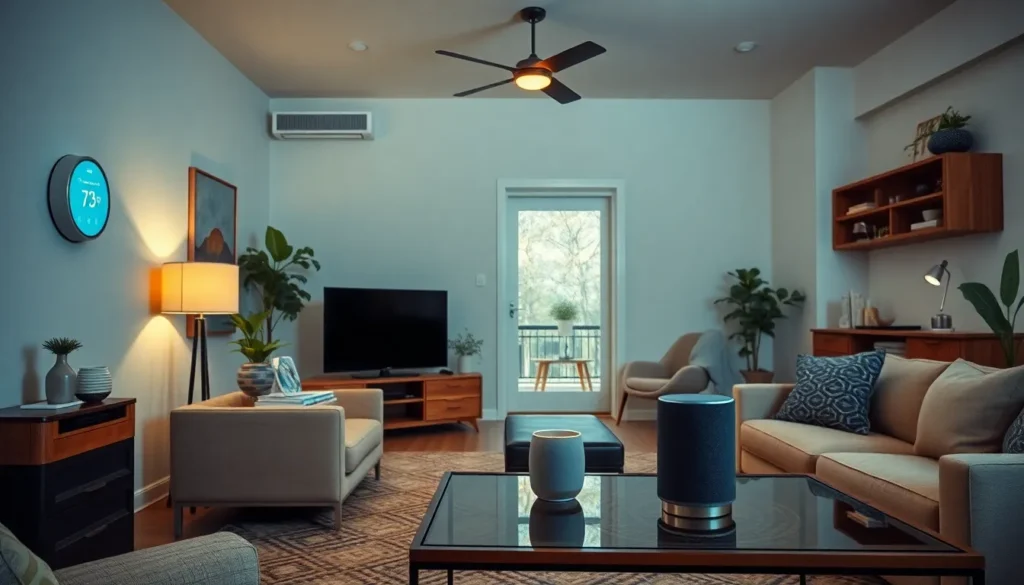
Understanding the factors influencing smart home costs helps homeowners budget effectively. Key aspects include initial setup costs and ongoing maintenance costs.
Initial Setup Costs
Initial setup costs can vary significantly based on the chosen devices and systems. High-end brands often command higher prices, while mid-range options provide robust functionality at lower costs. Smart home devices range from $100 for basic products to over $1,000 for comprehensive systems. Installation expenses also impact overall costs. Homeowners who opt for professional installation typically pay between $50 and $200 per hour. DIY setups remain popular, often reducing costs but requiring technical know-how. Prioritizing essential devices, such as smart thermostats or security cameras, can lead to a more manageable budget.
Ongoing Maintenance Costs
Ongoing maintenance costs represent another significant factor in smart home budgeting. Subscription fees for cloud services may run from $5 to $30 per month, depending on the features selected. Regular software updates enhance security and performance, contributing to long-term efficiency. Additionally, replacement costs for aging devices should be factored into the budget. Homeowners may spend anywhere from $20 to $200 annually, depending on device lifespan. Finally, energy usage related to smart devices can lead to an increase in utility bills, although many devices focus on energy savings over time. Prioritizing energy-efficient products mitigates some of these costs.
Cost Comparison of Smart Home Devices
Understanding the pricing of smart home devices helps homeowners budget more effectively. Costs vary widely based on device type, features, and brand choices.
Entry-Level Smart Devices
Entry-level smart devices offer a cost-effective way to enhance home automation. These devices generally range from $20 to $100 and include smart bulbs, plugs, and basic security cameras. Homeowners can expect to spend about $50 for a smart plug or $70 for a basic security camera. Compatibility with existing systems matters, as many entry-level products work seamlessly with popular platforms like Amazon Alexa and Google Assistant. Initial investments remain low, making them attractive options for those wanting to dip their toes into smart technology.
High-End Smart Devices
High-end smart devices often provide advanced features and greater functionality. Prices for these devices can exceed $500 and may even reach over $1,000 for comprehensive systems, like smart home hubs and high-end security setups. Features include enhanced security with smart locks and advanced home automation with integrated systems. Professional installation costs add to the overall expense, typically ranging from $50 to $200 per hour. Investments in high-end devices also lead to higher long-term savings through energy efficiency and robust security, delineating a clear value for many homeowners.
Long-Term Financial Benefits
Smart home technology provides several long-term financial benefits for homeowners. Energy-efficient devices, such as smart thermostats, yield significant savings on monthly utility bills. Average savings on energy costs can reach 10 to 30 percent, depending on usage patterns and device integration.
Enhanced home security also translates into financial advantages. Insurance companies often offer discounts for homes equipped with smart security systems, which can lower premiums by up to 20 percent. Investing in smart locks and security cameras reduces the risk of theft and related expenses.
Maintenance costs play a crucial role in long-term savings. Many smart devices require less frequent replacement than traditional counterparts, leading to reduced costs over time. Homeowners can also monitor energy consumption through smart apps, identifying and eliminating waste.
Initial costs may appear significant, with entry-level smart devices ranging from $20 to $100. The higher-end devices often exceed $500, yet investments in these systems can lead to impressive returns. Projected market trends show smart home revenue exceeding $135 billion by 2025, highlighting a strong demand for efficiency.
Warranty options further enhance financial benefits. Many smart devices come with multi-year warranties, reducing the frequency of costly repairs or replacements. Homeowners can maximize savings by selecting reliable brands and models.
Budget-conscious individuals benefit from the versatility of devices. By prioritizing energy-efficient options, they create a more manageable budget. Understanding the cost distribution and expected gains helps homeowners make informed decisions about their smart investments.
Navigating the world of smart home costs requires careful consideration and planning. Homeowners can enjoy the benefits of advanced technology while managing their budgets effectively. By prioritizing essential devices and energy-efficient options, they can maximize savings and enhance their living spaces.
Investing in smart home technology not only offers convenience and security but also presents long-term financial advantages. As the demand for smart solutions continues to grow, understanding the cost landscape becomes increasingly important. With the right approach, homeowners can create a smart home that meets their needs without breaking the bank.