In a world where your toaster might just be smarter than your high school math teacher, integrated smart devices are taking center stage. These gadgets don’t just toast bread; they sync with your schedule, adjust your home’s temperature, and even remind you to water your plants—because let’s face it, we all forget sometimes.
Imagine a life where your coffee maker knows you need a caffeine fix before you even open your eyes. Integrated smart devices are here to revolutionize daily routines, making life easier and a bit more fun. With these tech wonders, convenience meets innovation, and the future is knocking at your door—probably with a smart doorbell. Get ready to explore how these devices can transform your home into a seamless, automated paradise.
Overview of Integrated Smart Devices
Integrated smart devices represent a significant advancement in technology, transforming homes and daily routines. These devices connect seamlessly to create an ecosystem that enhances convenience and efficiency. Smart speakers, for instance, control lighting, manage music playback, and provide real-time updates on weather conditions.
Capabilities span far beyond mere automation. Integrated smart appliances, such as refrigerators, help manage grocery inventories and suggest recipes based on available ingredients. They offer notifications when supplies run low, ensuring users never run out of essential items.
Interoperability between devices plays a crucial role in their effectiveness. Smart home hubs serve as command centers, allowing users to control multiple devices from a single interface. This centralized control increases usability and simplifies interactions within a smart home.
Energy efficiency represents another benefit of these devices. Smart thermostats adjust heating and cooling based on occupancy patterns, optimizing energy consumption for cost savings. Users can monitor usage through mobile apps, providing insights into energy expenditure.
Real-time data integration enhances decision-making further. For example, smart irrigation systems gauge soil moisture levels, automating watering schedules for plants. They promote healthier gardens while conserving water resources.
These innovations not only streamline tasks but also enhance connectivity. As more smart devices enter the market, potential applications grow, offering personalized experiences tailored to users’ lifestyles. Integrated smart devices ultimately redefine living spaces, making them smarter and more responsive to their inhabitants’ needs.
Benefits of Integrated Smart Devices
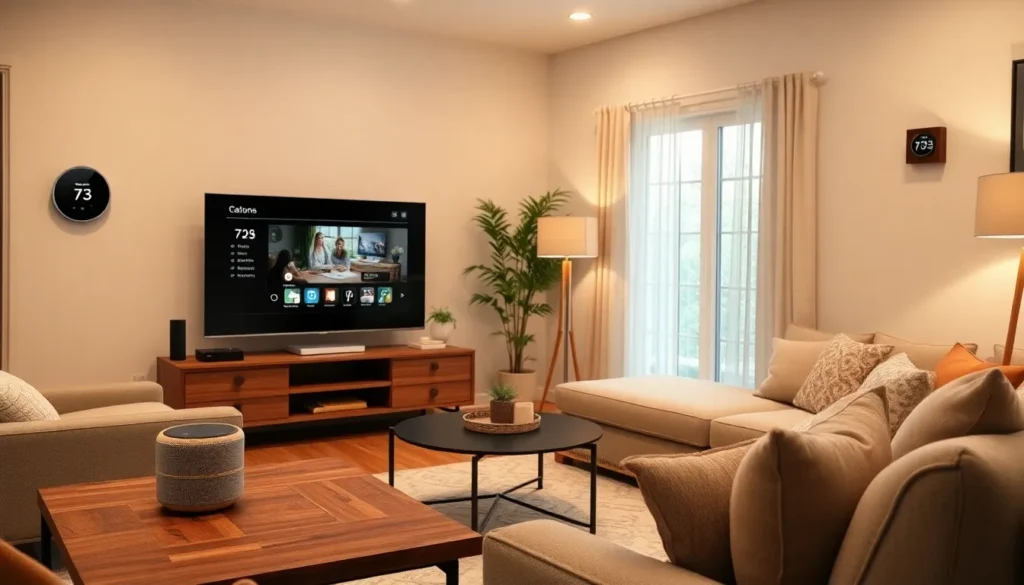
Integrated smart devices offer numerous advantages, making daily life more convenient and efficient. These benefits extend beyond simple automation to create a truly connected living experience.
Enhanced Connectivity
Enhanced connectivity stands out as a primary benefit. Smart devices communicate with each other seamlessly, allowing for a harmonious home environment. Smart speakers can sync with security systems, offering real-time alerts and updates on home safety. Additionally, users can control various devices with voice commands through a single hub, minimizing the need for multiple remote controls. Interconnectivity fosters a more efficient workflow, enabling devices to adapt quickly to users’ preferences and routines. As a result, customized experiences lead to improved user satisfaction.
Improved Efficiency
Improved efficiency is another key advantage of integrated smart devices. Automation handles routine tasks such as adjusting lighting and managing household appliances. Smart thermostats optimize energy usage by learning occupancy patterns, which conserves resources and lowers utility bills. Smart refrigerators manage food inventories, reducing waste by notifying users about expiration dates. Cooking becomes more efficient as recipe suggestions are tailored based on available ingredients. Streamlining these processes saves time, allowing users to focus on more important activities and use technology effectively.
Popular Examples of Integrated Smart Devices
Integrated smart devices increasingly enhance daily life through automation and connectivity. Several popular examples illustrate their capabilities and functionality.
Smart Home Hubs
Smart home hubs serve as central control points for various integrated devices. These hubs connect multiple smart gadgets, enabling seamless communication. Users manage lighting, security systems, and entertainment devices from one interface. Amazon Echo and Google Nest Hub rank among the most popular options, providing voice-activated control and personalized settings. Devices link effortlessly, making daily tasks easier. Users experience time-saving convenience when coordinating multiple appliances. Through smart home hubs, households gain a cohesive management system that promotes efficiency and enhances comfort.
Wearable Technology
Wearable technology includes devices that monitor health and fitness while integrating with other smart systems. Smartwatches like the Apple Watch and Fitbit offer real-time health data, tracking heart rates and activity levels. These devices sync with smartphones, allowing notifications and app access directly on the wrist. Users enjoy hands-free interactions, making it easier to stay connected on the go. This technology contributes to a well-rounded health approach by promoting physical activity and tracking fitness goals. Wearable devices also interact with smart home systems, managing home environments based on user routines and preferences.
Challenges in the Adoption of Integrated Smart Devices
Adopting integrated smart devices presents several challenges that users and manufacturers must address. Security concerns play a significant role in this landscape. Users often fear unauthorized access to their devices, which can lead to data breaches and privacy violations. Hackers may exploit vulnerabilities in smart systems, prompting consumers to hesitate about their reliance on such technologies. Ensuring robust cybersecurity measures becomes essential for building trust and promoting widespread adoption.
Compatibility issues also hinder the integration of smart devices. Not all devices work seamlessly together, creating frustrations for users who desire a cohesive smart ecosystem. Various manufacturers produce smart products with different communication protocols, making interoperability a challenge. Lack of standardization in the market complicates users’ ability to create efficient and functional setups at home. A solution relies on manufacturers collaborating to establish standardized protocols that facilitate smooth interactions among devices.
Future Trends in Integrated Smart Devices
The future of integrated smart devices trends toward deeper connectivity and enhanced automation. Users increasingly prioritize seamless experiences, driving manufacturers to improve device interoperability. To address privacy, developers focus on advanced encryption methods, safeguarding personal data against unauthorized access.
Emerging technologies like artificial intelligence (AI) and machine learning (ML) play crucial roles in shaping smart devices. AI-powered systems analyze user behavior to recommend tailored experiences. ML algorithms enable devices to learn and adapt over time, creating intelligent environments that respond to individual preferences.
Energy efficiency remains a primary concern, with smart devices evolving to optimize consumption. Smart thermostats now utilize real-time data to adjust temperatures automatically based on occupancy patterns. Integrating renewable energy sources, such as solar power, further enhances sustainability efforts.
Healthcare integration becomes more prominent, as smart devices facilitate remote monitoring. Wearable technology continues to advance in features, enabling real-time health tracking. Smart home ecosystems increasingly support telehealth services, making healthcare more accessible.
Collaboration among manufacturers is essential for streamlining integration. Standardization of communication protocols promotes compatibility across devices. As users demand cohesive ecosystems, partnerships between tech companies will foster innovation and enhance overall user experience.
Lastly, the integration of augmented reality (AR) into smart devices opens new possibilities. AR can enhance visual interaction with environments, improving user engagement. Smart glasses and headsets are expected to gain traction, providing immersive experiences that blend digital and physical spaces.
The future of integrated smart devices looks promising as they continue to redefine daily living. With advancements in technology enhancing connectivity and automation, users can expect even greater convenience and efficiency in their homes. The focus on energy efficiency and health integration will likely drive further innovation, making these devices indispensable in modern life.
As manufacturers work towards establishing standardized protocols, the potential for a cohesive smart ecosystem becomes more attainable. Embracing these technologies not only simplifies everyday tasks but also fosters a more sustainable and connected lifestyle. The journey towards smarter living is just beginning, and the possibilities are endless.