Imagine this: you’re out and about, your iPhone’s battery is gasping for life, and your friend’s phone is sitting pretty at 80%. Can you save the day by charging your device with theirs? This question has sparked curiosity and a bit of confusion among iPhone users.
Can I Charge An iPhone With Another iPhone?
Charging one iPhone using another isn’t a standard feature available on most models. While some Android devices support reverse wireless charging, Apple hasn’t introduced this capability in their iPhones yet. Current iPhone models lack the technology to directly transfer battery power to another iPhone.
An iPhone can use accessories to charge other devices, however. For instance, Apple produces a Lightning to USB cable that allows users to connect their iPhones to ported chargers. Additionally, portable battery packs offer a practical charging solution in emergencies when power sources are limited.
Wireless charging isn’t compatible between iPhones. Due to design limitations, you can’t place one iPhone on top of another to charge it wirelessly. Shared charging isn’t part of the design philosophy for Apple products, focusing more on individual device performance.
In contrast, sharing battery power through tethering remains a viable option for devices with cellular connections. Users can share their internet or personal hotspot capabilities with other devices. This feature assists users in situations when they rely on connectivity, though it doesn’t address battery charge transfers.
If users need to charge their iPhones while on the go, utilizing power banks or car chargers provides a straightforward solution. These external devices can maintain power levels and guarantee that an iPhone remains operational regardless of other devices’ battery statuses.
Understanding these limitations highlights the importance of independent charging methods for iPhones. Users might also consider portable solutions tailored for iPhone, ensuring their device stays charged and ready for use.
Understanding iPhone Charging Capabilities
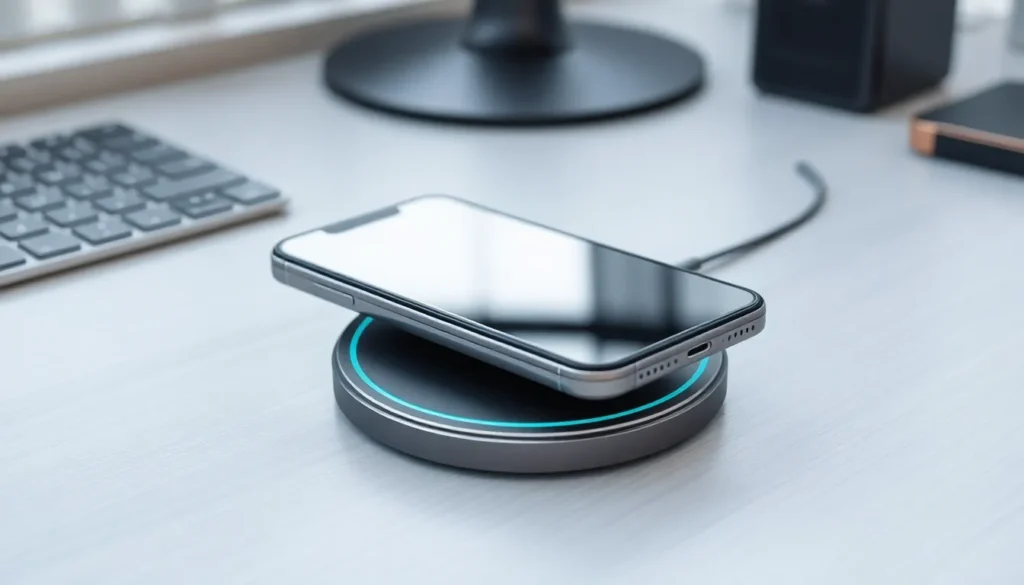
Charging one iPhone with another isn’t a standard feature found in most models. Current iPhones lack the necessary technology for this functionality.
Wireless Charging Technologies
Wireless charging remains popular among many smartphones. Apple’s lineup supports Qi wireless charging, but this applies to charging from a wireless charger, not from another iPhone. Inductive charging relies on transferring energy through electromagnetic fields; it doesn’t permit reverse charging. For users seeking convenience, wireless charging pads offer a suitable solution for keeping devices charged without cables.
Battery Sharing Features
Battery sharing features are limited on Apple devices. While users cannot directly share battery power between iPhones, they can utilize features like AirDrop for transferring files efficiently. Tethering options exist, allowing one iPhone to share its internet connection with another device, but battery power transfer remains unavailable. For additional power needs, external battery packs or chargers provide useful alternatives for maintaining device functionality during low battery situations.
How To Charge An iPhone With Another iPhone
Charging one iPhone with another iPhone isn’t possible due to design limitations. Apple hasn’t released models with reverse wireless charging. However, users need to understand alternatives for charging when in a pinch.
Step-By-Step Guide
- Identify Battery Levels: Begin by checking both iPhones’ battery levels.
- Select the Right Charging Option: Choose a portable battery pack or charging accessory for practical alternatives.
- Use Lightning Cable: Connect the iPhones with a Lightning to USB cable if available.
- Activate Wireless Charging Pad: Place the iPhones on a wireless charging pad, making sure the charging devices support Qi technology.
- Monitor Progress: Keep an eye on the battery level of each device to ensure charging needs are met.
Required Accessories
Necessary accessories include portable charging solutions for convenience. A Lightning to USB cable allows users to connect their devices to a power source. Portable battery packs serve as excellent backups for emergencies. Wireless charging pads offer a cable-free approach to maintaining charge. Users should consider investing in car chargers to recharge devices during travel. Each accessory provides a reliable option for keeping an iPhone powered up.
Pros And Cons Of Charging An iPhone With Another iPhone
Charging one iPhone with another offers unique advantages and disadvantages. Understanding these can help users make informed decisions.
Advantages
A key advantage of attempting to charge an iPhone with another iPhone is convenience. Users in a pinch can quickly borrow power from a friend’s device. Portability becomes essential; carrying an extra iPhone can serve as a backup power source. Users can share battery life during emergencies when traditional charging options aren’t available. Additionally, the social aspect promotes cooperation among users, fostering a sense of community. Lastly, even though the technology isn’t designed for this purpose, it can come in handy in certain situations, allowing users to temporarily extend their phone’s functionality.
Disadvantages
Several disadvantages accompany charging one iPhone with another iPhone. The lack of reverse wireless charging features limits its practicality. Users may face disappointment when realizing this option isn’t available on most models. Wireless charging compatibility is restricted to charging pads and not direct device-to-device interactions. Battery drain can be significant; sharing power may leave both devices low on charge. Users must also consider efficiency; the slow transfer of energy doesn’t always provide enough power for usage. Lastly, relying on this method can create dependency on others, which might compromise personal charging habits.
Alternative Charging Solutions
Exploring alternative charging solutions offers users practical ways to keep iPhones powered. Several options exist that enhance convenience and effectiveness.
Power Banks
Power banks provide reliable backup power for iPhone users. These portable chargers come in various capacities, allowing users to select the best size for their needs. A 10,000 mAh power bank can charge an iPhone approximately two to three times. Users should consider products with fast charging capabilities to optimize charging speed. Additionally, it’s essential to ensure compatibility by choosing power banks with USB ports for quick connections. Many power banks also feature multiple USB outputs, enabling users to charge multiple devices simultaneously.
USB Charging Stations
USB charging stations serve as excellent alternatives for multi-device households. These stations accommodate various devices at once, offering users several USB ports. Many charging stations support fast charging, which enhances charging efficiency across multiple devices. Users can easily set up a charging station in common areas, such as living rooms or offices, to keep devices organized and charged. While selecting a charging station, look for one with surge protection to prevent device damage. With the right model, simultaneous charging of multiple iPhones or other gadgets becomes seamless and straightforward.
While the idea of charging one iPhone with another might seem convenient it’s not a feature available on current models. Apple’s design limitations prevent iPhones from transferring battery power directly. Users are encouraged to explore alternative charging solutions like portable battery packs or USB charging stations to ensure their devices remain powered up.
By understanding the options available and planning ahead users can avoid low battery situations. The emphasis on independent charging methods and reliable accessories will help keep iPhones operational during critical moments. Investing in the right tools can make all the difference in maintaining connectivity and functionality.