In a world where fridges can text you when you’re out of milk and light bulbs can dim just by your voice, home tech trends are transforming everyday living into something out of a sci-fi movie. Gone are the days of fumbling for switches or losing the remote in the couch abyss. Now, smart gadgets are here to make life easier, more efficient, and—let’s face it—way cooler.
As technology continues to evolve at lightning speed, homeowners are embracing innovations that not only simplify tasks but also add a touch of flair to their spaces. From automated assistants that can recite your grocery list to security systems that keep an eye on your home while you’re away, the future of home tech is bright—and it’s ready to impress. So buckle up and get ready to explore the latest trends that are reshaping how we live, work, and play at home.
Overview of Home Tech Trends
Home technology trends continue to shape modern living. Smart devices such as voice-activated assistants, home security systems, and connected appliances exemplify this shift. Innovations like smart refrigerators provide alerts when groceries are running low. Key features enhance convenience, allowing homeowners to manage tasks with ease.
Home automation systems offer integrated solutions for lighting, temperature, and security. These systems can be controlled remotely, providing flexibility for various lifestyles. Thermostats adapt to user habits, optimizing energy efficiency. Environmental concerns drive trends toward sustainable technologies, such as energy-saving devices and solar-powered gadgets.
Smart home systems promote safety and monitoring. Cameras and sensors help secure properties while offering real-time alerts. The rise of wearable devices links health monitoring to home automation, fostering an interconnected experience. Smart locks simplify access while maintaining security standards.
Artificial intelligence plays a significant role in enhancing functionality. Machine learning technologies learn user preferences, tailoring settings for individualized experiences. Voice recognition simplifies command execution, reducing the need for manual adjustments.
Consumers increasingly prioritize user-friendly interfaces. Systems that offer seamless integration with existing technologies find higher adoption rates. Data privacy also emerges as a significant concern, prompting manufacturers to implement robust security measures.
As the demand for intelligent solutions grows, market offerings expand. With each advancement, home technology trends redefine expectations of comfort and convenience. The shift toward smart living continues, shaping everyday routines and revolutionizing home experiences.
Smart Home Devices
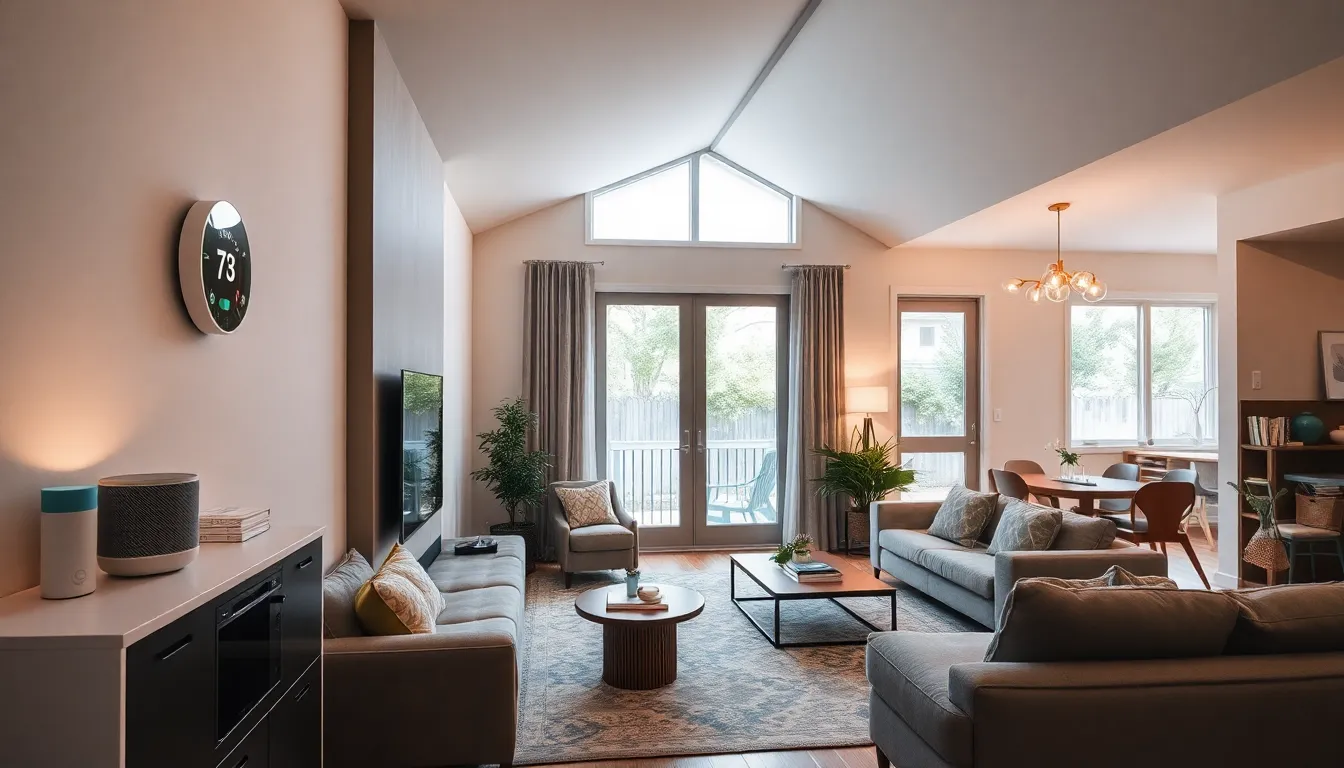
Smart home devices integrate advanced technology into daily living, enhancing convenience and efficiency. These innovations simplify tasks and improve energy management, making them essential for modern homeowners.
Voice Assistants
Voice assistants enable seamless control over various smart devices. Users can effortlessly manage lighting, music, and security systems through simple voice commands. For example, popular options like Amazon Alexa and Google Assistant allow integration with numerous other devices, promoting interoperability. They utilize machine learning algorithms to improve response accuracy based on individual preferences. This personalized interaction enhances user experience, resulting in a more intuitive household environment. As voice technology advances, the scope of capabilities continues expanding.
Smart Thermostats
Smart thermostats optimize home heating and cooling systems. These devices learn from user habits and adjust settings automatically, which leads to energy savings of up to 15%. Brands like Nest and Ecobee offer features such as remote control via mobile apps, enabling homeowners to change temperatures from anywhere. They provide insights into energy consumption patterns, encouraging more efficient usage. Additionally, compatibility with voice assistants further streamlines temperature management. With these innovations, managing indoor comfort becomes simpler and more efficient.
Home Security Innovations
Home security technology continually evolves, enhancing safety and peace of mind. Innovations in smart monitoring systems and alarm solutions play a crucial role in protecting homes.
Smart Cameras
Smart cameras provide clear surveillance and real-time notifications. These devices capture high-definition video and can be accessed remotely through smartphones. Homeowners appreciate features like motion detection and night vision, which help monitor activity effectively. Cloud storage options enable easy access to recorded footage, allowing users to review incidents whenever necessary. Advanced models also use artificial intelligence to differentiate between pets and people, reducing false alerts. As a result, smart cameras contribute significantly to home security.
Alarm Systems
Modern alarm systems integrate seamlessly with smart home technologies. Intrusion detection sensors alert homeowners in case of unauthorized entries, while smart door and window sensors enhance security measures. Many systems offer remote monitoring features, enabling users to control alarms from any location. Notifications about breaches can be sent via smartphones, ensuring immediate awareness. Some alarm systems even connect to local law enforcement, expediting response times during emergencies. Overall, these innovations create a more secure living environment.
Energy Efficiency Advances
Home technology continues to advance energy efficiency, emphasizing sustainability and user convenience.
Smart Lighting Solutions
Smart lighting solutions significantly reduce energy usage. Features include app-controlled brightness, scheduling, and motion sensors, which help minimize waste. LED technology also plays a role, providing longer lifespans and lower consumption compared to traditional bulbs. Homeowners can program lights to turn on or off during specific times. These intuitive systems adapt to user habits, allowing optimal energy use without sacrificing comfort. Moreover, integration with voice assistants enhances user interaction, making adjustments effortless. Overall, smart lighting promotes an energy-efficient lifestyle while elevating living spaces.
Energy Monitoring Systems
Energy monitoring systems provide homeowners with real-time insights into their energy consumption. Devices track usage patterns and identify high consumption appliances. Alerts about excessive energy use allow for prompt adjustments, guiding users toward more efficient choices. Integration with smart home systems enables automated responses, such as reducing power to devices during peak hours. Analytics help evaluate savings and ensure that energy-efficient practices are maintained. By employing these systems, individuals can reduce their carbon footprint while enjoying lower utility bills. Furthermore, engaging with energy data empowers users to make informed decisions about their consumption habits.
Future of Home Tech
Home technology is set to undergo significant transformations in the coming years. Innovations are expected to enhance user experience while prioritizing convenience. Smart home devices will become more interconnected, allowing seamless communication between appliances.
Voice-activated assistants will evolve, enabling more complex interactions. These devices will incorporate advanced artificial intelligence to provide personalized recommendations based on user preferences. Smart homes may soon anticipate needs, adjusting systems for optimal comfort automatically.
Moreover, energy efficiency will remain a priority. As sustainability becomes increasingly critical, homeowners will adopt greener technologies, such as solar panels and energy-efficient appliances. Smart devices will help monitor usage and suggest effective strategies for lowering energy consumption.
Security improvements also lie ahead. Next-generation home security systems might integrate facial recognition technology and machine learning algorithms for enhanced surveillance capabilities. Users can expect timely alerts about unusual activity, ensuring greater peace of mind.
Health integration will play a crucial role in home tech advancements. Wearable devices connected to smart systems can monitor vital signs, alerting homeowners about potential health issues. This synergy fosters a more responsive, health-focused living environment.
Additionally, smart kitchen appliances will gain popularity. These devices will assist in meal planning and preparation, tracking available ingredients while suggesting recipes tailored to individual dietary preferences. Enhanced functionality simplifies cooking, making meal prep an effortless task.
Data privacy concerns will drive innovations in security measures. As smart home usage increases, manufacturers will focus on ensuring secure networks and data protection. This focus will help build consumer trust and foster widespread adoption of home technologies.
Overall, the future of home tech promises enhanced convenience, efficiency, and safety, reshaping daily living in innovative ways.
The evolution of home technology is reshaping how individuals interact with their living spaces. As smart gadgets become more integrated into daily life, they offer unprecedented convenience and efficiency. From enhanced security measures to energy-saving solutions, these innovations cater to the modern homeowner’s needs.
Looking ahead, the future of home tech is bright with advancements that promise even greater connectivity and personalization. Homeowners can expect smarter devices that not only simplify tasks but also contribute to a sustainable lifestyle. Embracing these trends will undoubtedly lead to more comfortable and secure living environments, making home technology an essential aspect of contemporary life.